Abstract
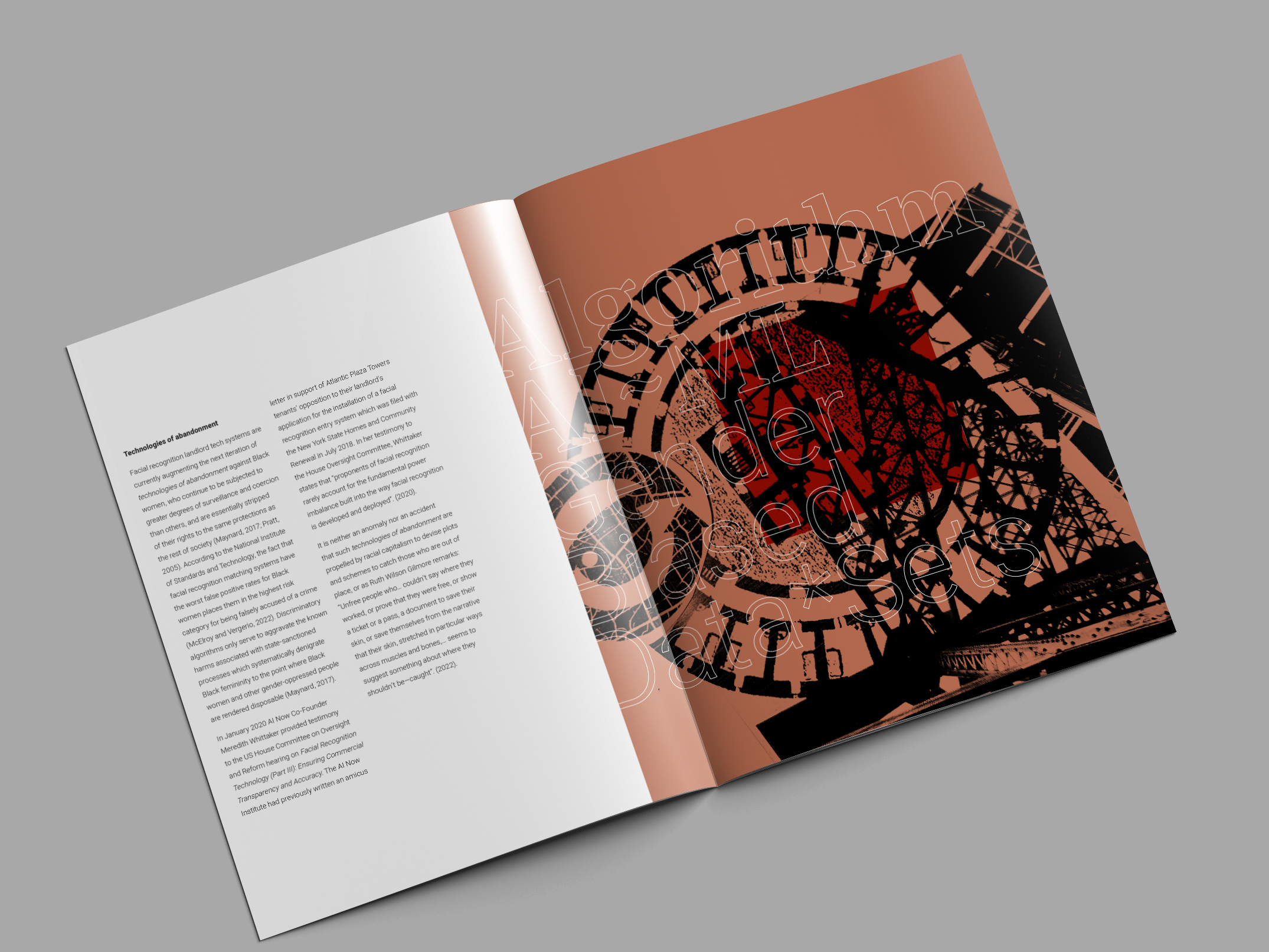
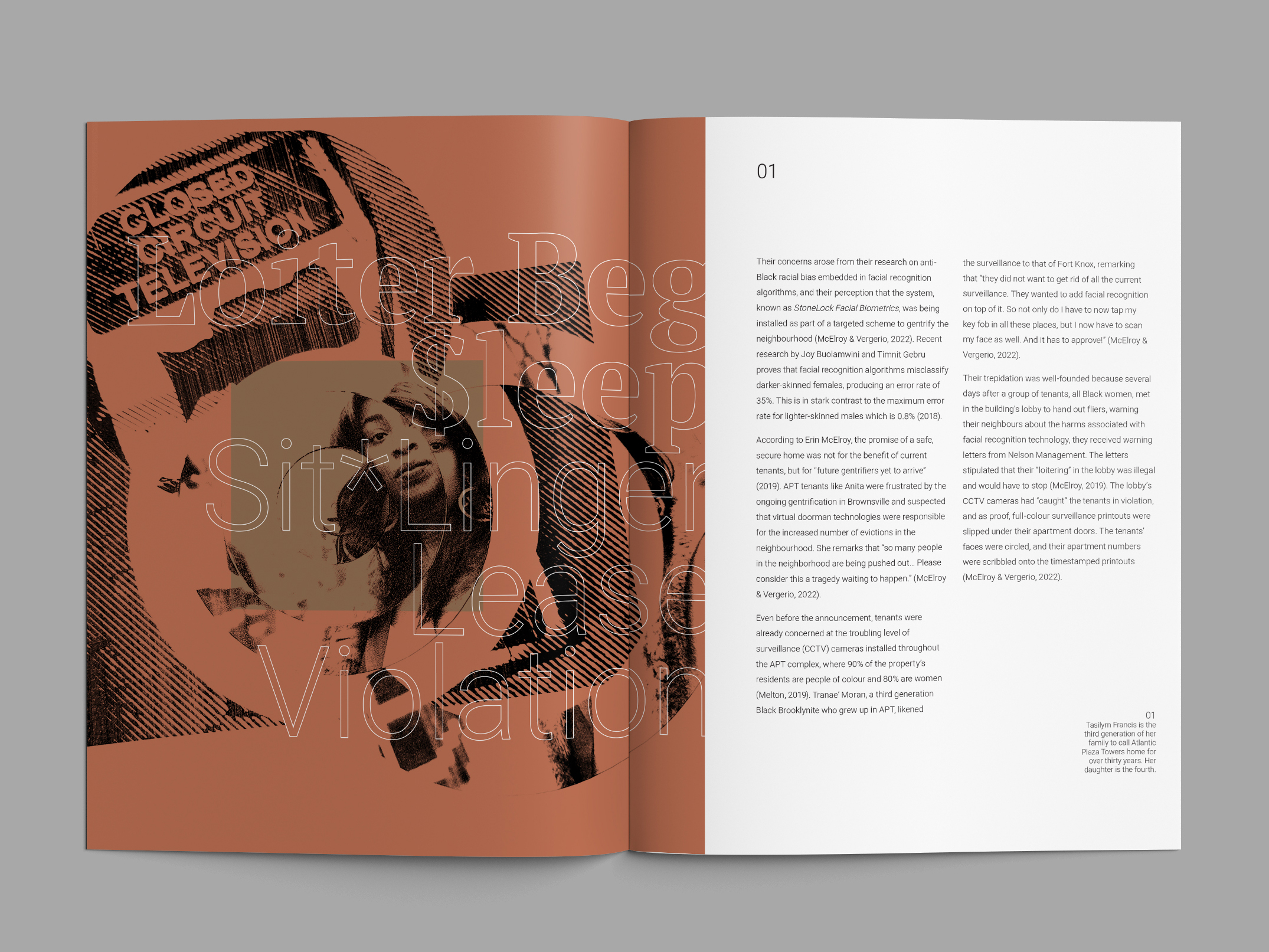
The visual essay examines how landlord technologies—particularly facial recognition systems—are weaponized against tenants under the guise of enhancing safety, revealing a deeper entanglement of surveillance, racial capitalism, and gentrification. Focusing on the case of Atlantic Plaza Towers (APT) in Brownsville, Brooklyn, it explores how tenants, mostly Black women, resisted the installation of biometric security systems marketed as “virtual doormen.” Systems such as StoneLock and Reliant Safety represent a new platform for racialized surveillance that disproportionately misidentifies darker-skinned individuals, especially Black women, reinforcing historical patterns of carceral control and displacement. The implementation of such technologies reflects a broader shift in urban infrastructure, where facial recognition platforms function as gatekeepers that undermine communal practices like space-sharing, while enabling landlords to surveil and police their tenants by collecting their personal biometric data.
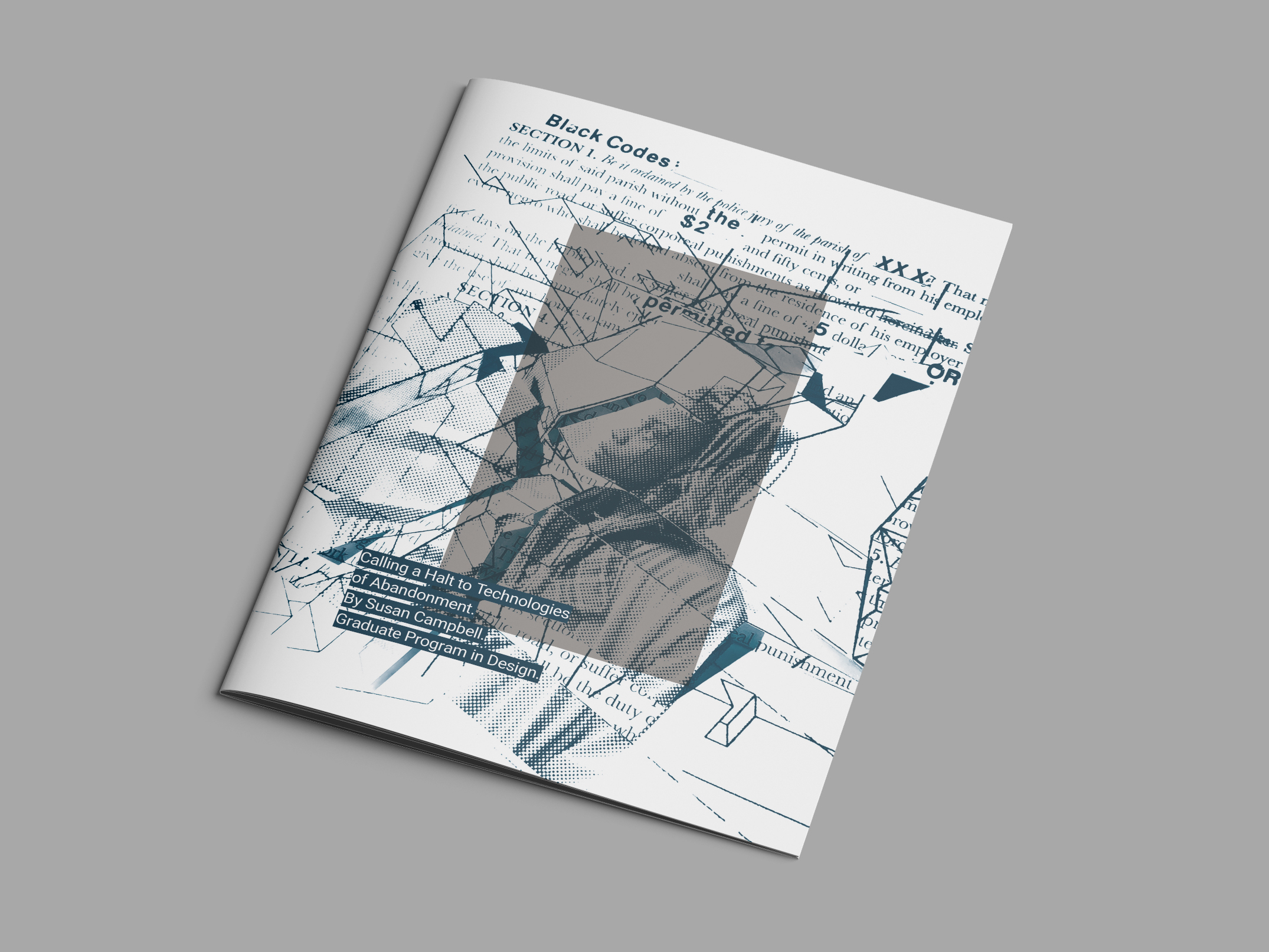
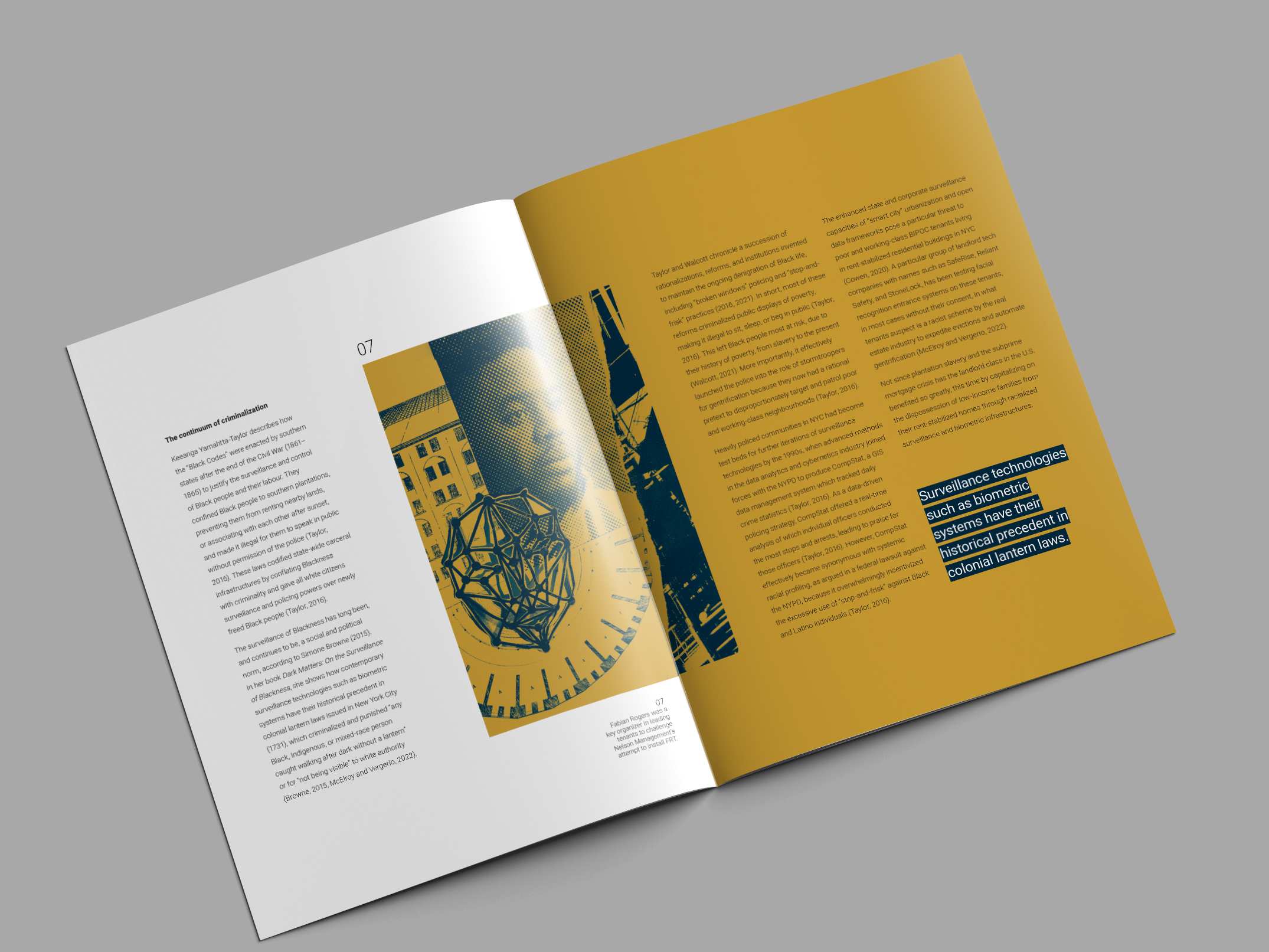
Drawing on historical precedents like the Black Codes and lantern laws, the article situates these developments within a lineage of state-sanctioned racial governance that criminalizes Blackness through surveillance. As these digital landlord platforms collaborate with state actors like the NYPD and DEA, they amplify the risks for tenants already subject to coercive social control. Technologies initially deployed to regulate street-level visibility are now internalized into domestic spaces, reconfiguring the home as a site of continuous monitoring and potential eviction. In framing biometric access as necessary urban infrastructure, these systems obscure their primary function: to facilitate dispossession and extract value (data rent) from vulnerable communities. Ultimately, the paper calls for a critical rethinking of safety, infrastructure, and the racialized logic embedded in contemporary surveillance platforms.
Urban Matters Journal | View Special Issue
April 2026: Digital Platforms as Urban Infrastructure
Guest Editors: Dr. Niloufar Vadiati, Research Fellow, HafenCity University, Hamburg and
Shiva Singh, PhD Scholar, Indraprastha Institute of Information Technology (IIIT), Delhi

 Susan Campbell